Home
Home Articles
 Twos Talks
 Videos
Top 5 Most Beautiful Video Games of All Time
Discover the top 5 most artistic video games of all time, from LIMBO to Return of the Obra Dinn, where visual design, storytelling, and creativity redefine the medium.
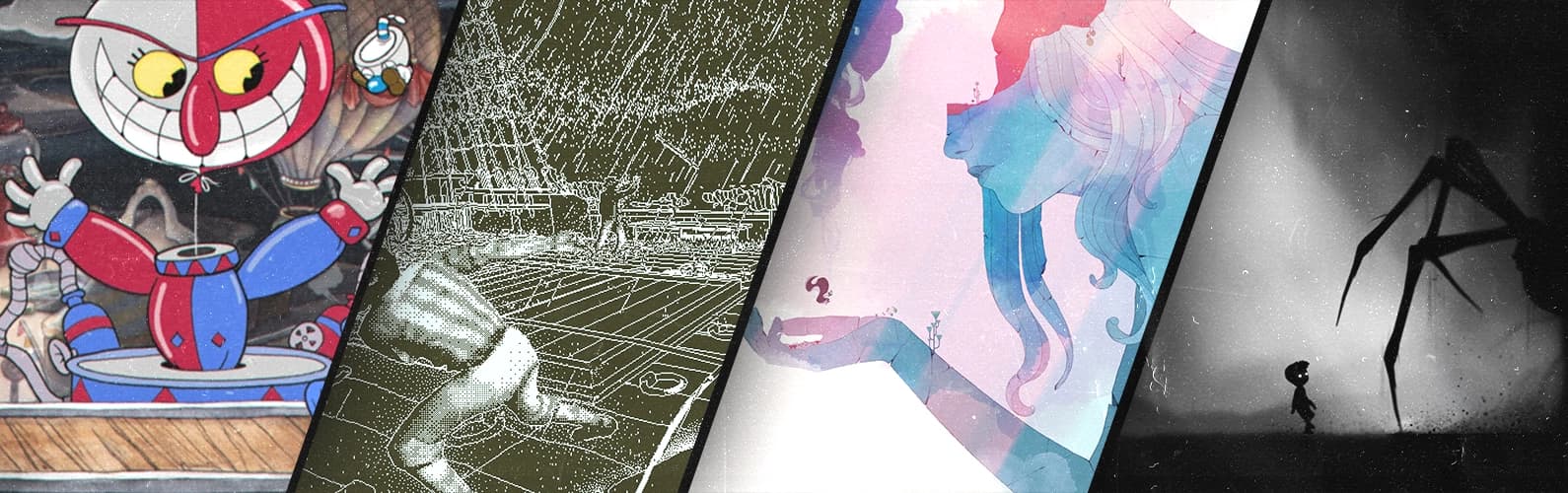
Video games are often remembered for mechanics, challenge, or story. But some stay with us because of how they look, and how their visual world becomes the experience itself. In these games, aesthetics are not decoration. They are part of the thinking, the emotion, and even the way you play.
Here are 5 of the most artistic video games of all time, where visual direction is not just important, but everything.
5. LIMBO (2010)
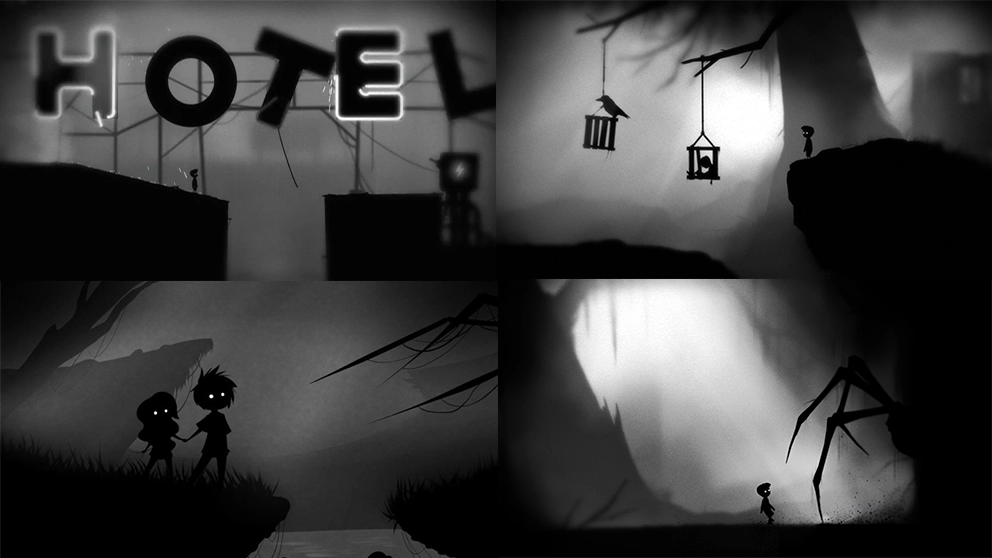
Developed by Playdead and directed by Arnt Jensen, LIMBO was released in 2010 after years of development that began around 2004. From its earliest concept stages to its final release, the game was built around one idea: reduction.
LIMBO strips everything down to black and white silhouettes, yet every scene feels heavy, tense, and full of depth. The environments are minimal, but never empty. Light, shadow, and motion carry the entire emotional weight of the experience.
What makes it stand out is that this minimalism is not only visual. It extends into gameplay itself. There are no instructions, no dialogue, no excess mechanics. You learn by doing, failing, and observing.
In LIMBO, simplicity becomes suspense. And reduction becomes one of the most powerful artistic tools in video game design.
4. Journey (2012)
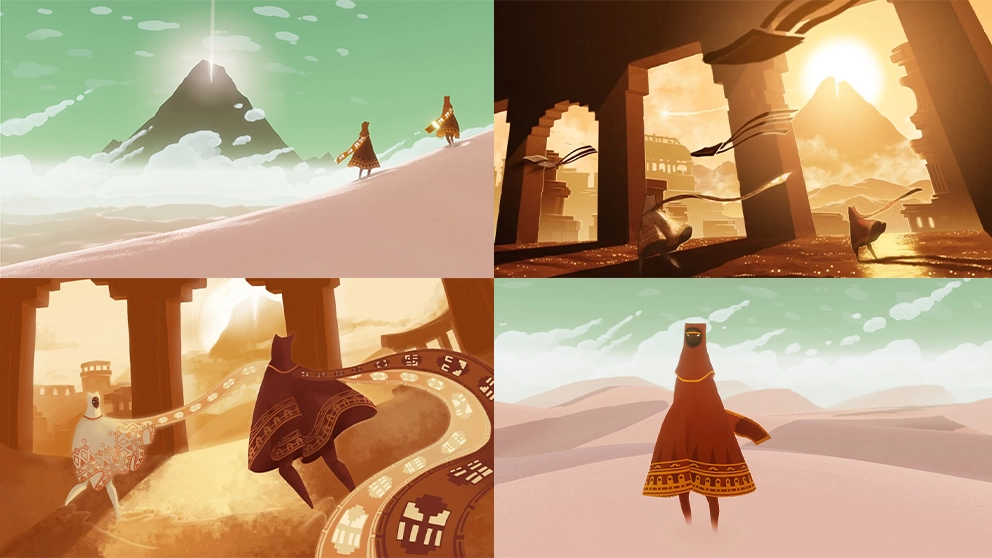
Released in 2012 by thatgamecompany and directed by Jenova Chen, Journey was developed over approximately three years following the studio’s earlier work on Flower.
Like LIMBO, it embraces minimalism, but takes it in a completely different direction. Where LIMBO feels intimate and oppressive, Journey feels vast, emotional, and almost spiritual.
Its desert landscapes, distant mountains, and ancient ruins are handled with such clarity that the game often feels like architecture and cinema combined. Every element, from color to scale to movement, is carefully controlled to create a sense of quiet wonder.
There is almost no dialogue, yet the emotional impact is undeniable.
Journey shows that space, light, and scale can carry storytelling in ways that words cannot.
3. Cuphead (2017)
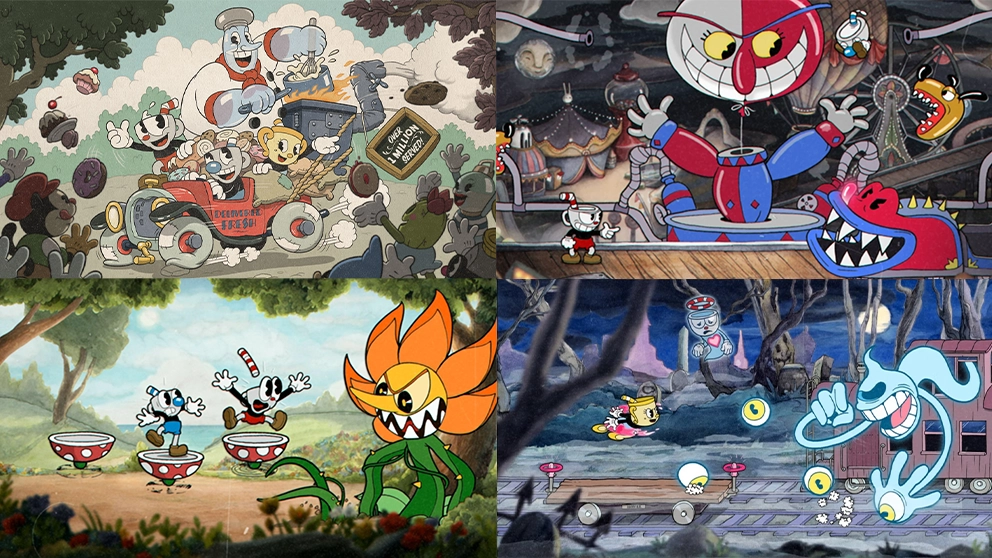
Released in 2017 by Studio MDHR, Cuphead was developed over nearly four years by brothers Chad and Jared Moldenhauer.
It stands as one of the most technically impressive visual identities ever created in video games.
Every frame of Cuphead was hand-drawn using traditional animation techniques inspired by 1930s cartoons. Backgrounds were painted in watercolor, and the soundtrack was recorded with live jazz musicians to match the visual style.
The result is something rare. A game that feels playful and nostalgic, yet highly refined and intense at the same time.
It looks like something familiar, but behaves in a completely modern way.
Cuphead is not just inspired by a visual era. It fully commits to it. And that level of dedication is what turns it into one of the most artistic video games ever made.
2. GRIS (2018)
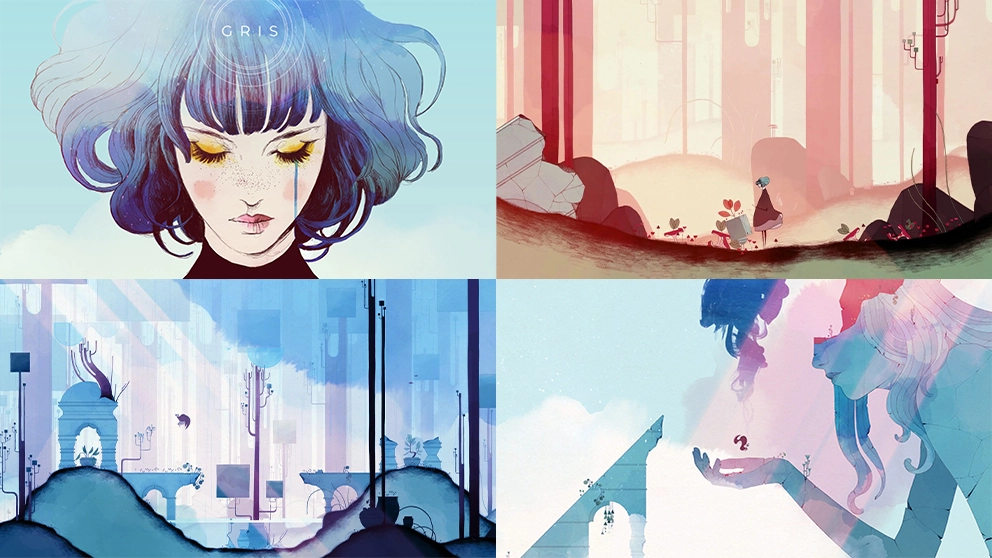
Released in 2018 by Nomada Studio, GRIS was developed over approximately three years, with Spanish artist Conrad Roset leading its visual direction.
More than most games, GRIS feels like an illustration that has come to life.
Watercolor textures, soft transitions, delicate animations, and architectural compositions all work together to create a deeply emotional visual experience. Every movement, every color shift, and every environment is designed with intention.
This is not a game where visuals support the story.
The visuals are the story.
GRIS is pure visual poetry, and one of the clearest examples of how video games can exist as living works of art.
1. Return of the Obra Dinn (2018)
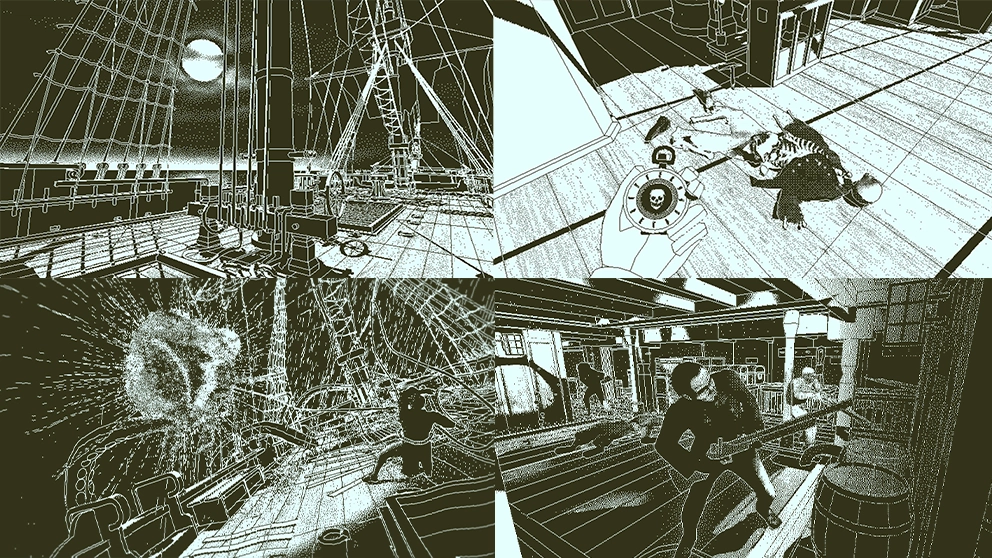
Released in 2018 and developed by Lucas Pope over roughly four and a half years, Return of the Obra Dinn is one of the most unique visual experiences in modern games.
At first glance, its 1-bit black and white style may seem like a limitation. But in reality, it is the core of the entire design.
The game renders scenes in grayscale before converting them into a 1-bit image using dithering techniques. This creates a visual system that is both highly restrictive and incredibly expressive.
What makes it truly stand out is not just how it looks, but how it thinks.
This is design at its purest form. A constraint turned into a creative system. A limitation turned into identity.
Return of the Obra Dinn shows what happens when strong artistic vision meets true design thinking.
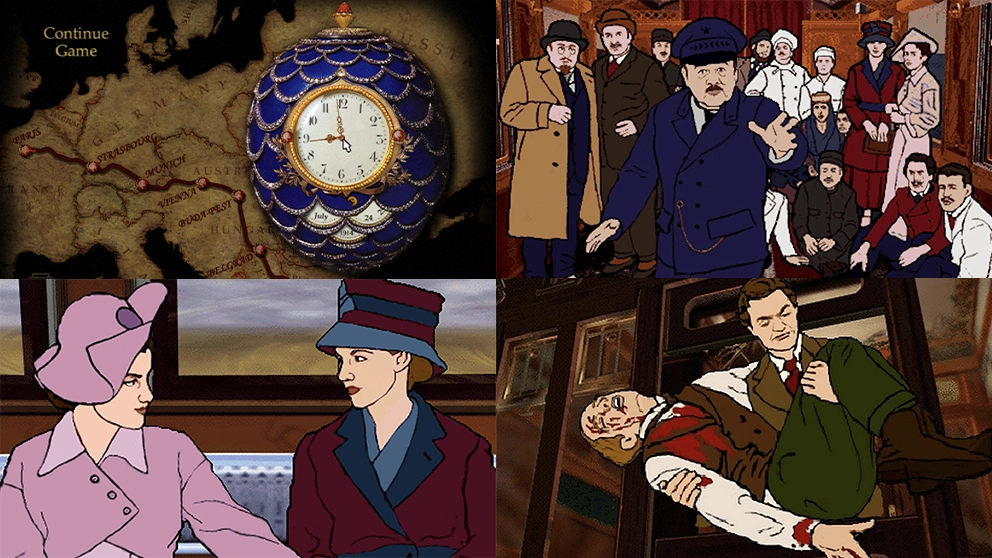
An honorable mention that holds a special place for Twos.
The Last Express (1997)
Created by Jordan Mechner, is a game that we at Twos Studio,grew up with. Set aboard the Orient Express just before the outbreak of World War I, the game unfolds in real time, where every character moves, speaks, and lives within a constantly progressing timeline.
What makes The Last Express stand out is its distinctive visual approach. Using a rotoscoped art style, the game blends realism with illustration, giving every scene a painted, cinematic quality and phenomenal music. Combined with its real-time narrative system, it creates an experience that feels alive in a way few games have achieved.
It may not be as visually bold or experimental as the games on this list, but its atmosphere, storytelling, and artistic ambition make it unforgettable.