Home
Home Articles
 Twos Talks
 Videos
Graphic Design in the Cuban Revolution
The role of graphic design in communicating Cuba’s revolutionary image, at home and abroad.
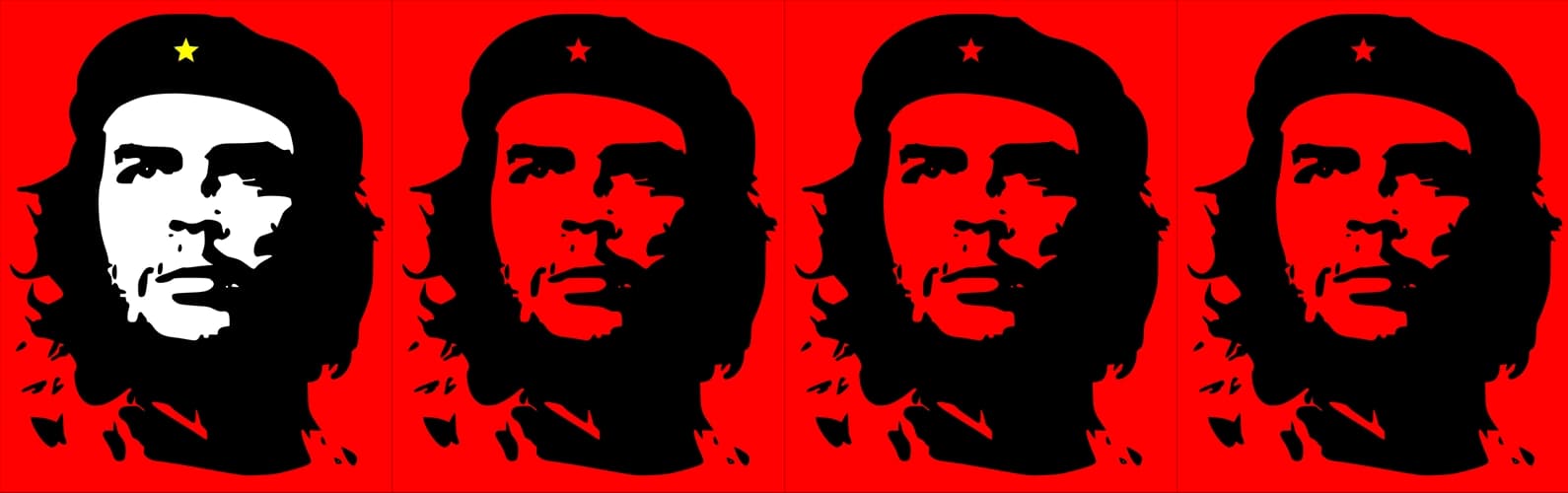
After the 1959 Cuban Revolution, Cuban graphic designers shifted from commercial advertising to producing visual materials for the revolution. Posters, magazines, and public imagery became their main focus. Their work combined clear messaging, powerful visuals, and versatile styles to communicate revolutionary ideals and support solidarity at home and abroad.
Revolutionary Purpose in Cuban Graphic Design
Before the revolution, Cuban graphic design largely followed international commercial trends, especially those influenced by American advertising. Designers worked for private agencies and produced visuals focused on consumer products and brand promotion.
The revolution dismantled this structure. Advertising agencies disappeared, and state institutions, cultural organizations, and political movements became the primary commissioners of design. Posters, magazines, film graphics, and public visuals replaced product campaigns.
Graphic design shifted from selling goods to communicating revolutionary ideals.
Designing for the Public
Cuban revolutionary design offered a high degree of stylistic freedom. There was no single official aesthetic, and designers experimented to communicate messages with immediacy and accessibility.
Streets were filled with posters influenced by pop art, psychedelic color schemes, photo montage, and expressive illustration. Illustration played a particularly important role. They allowed designers to simplify complex ideas, convey emotion, and make messages easy to understand for a broad audience. Posters often combined bold typography with imagery and were produced using mass printing techniques, which allowed them to reach a wide audience quickly.
These works were designed to be understood instantly, even by viewers with limited formal education.
International Solidarity in Cuban Graphic Design
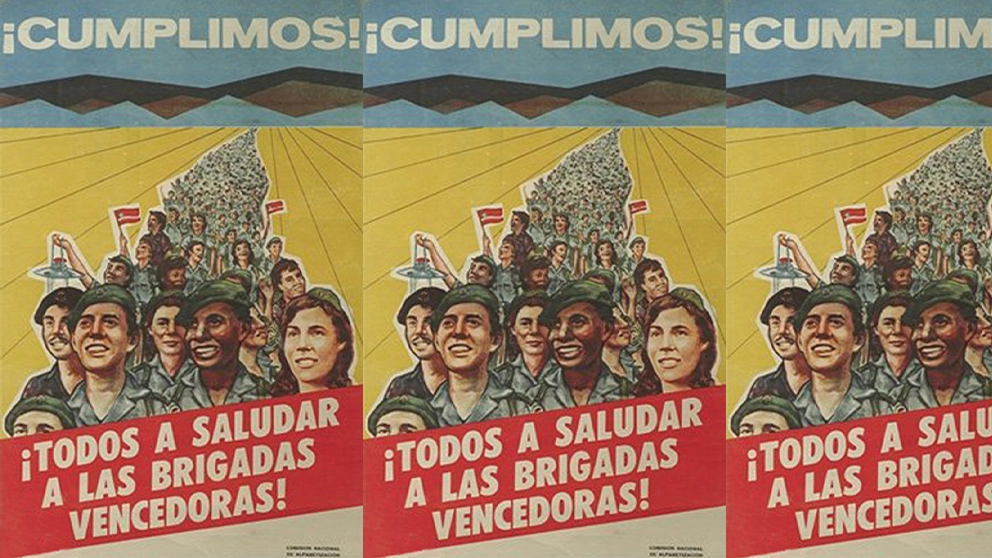
Cuban designers did not work in isolation. One major influence was Emory Douglas, the Minister of Culture of the Black Panther Party in the United States. His direct, illustrative approach to political messaging had a strong effect on Cuban graphic culture.
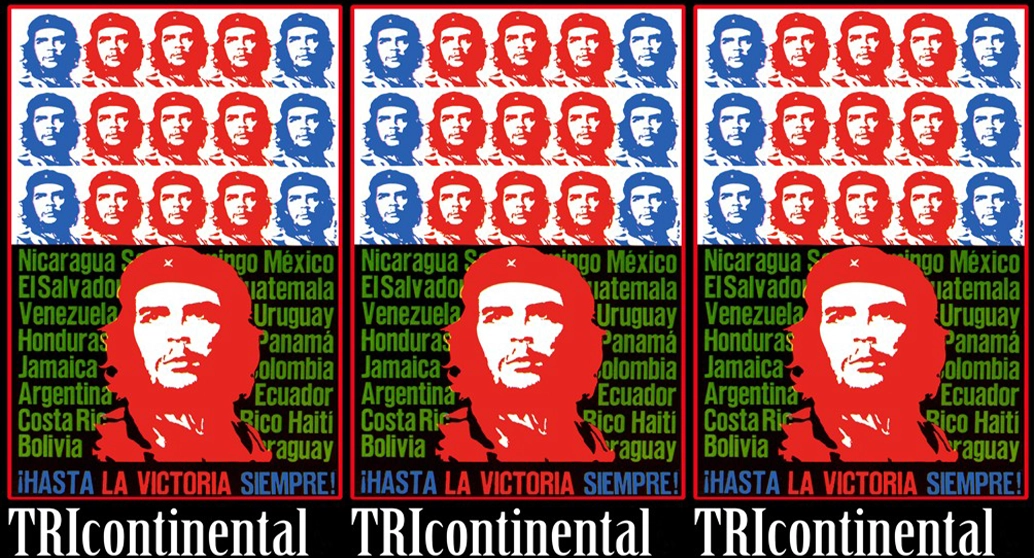
Many Cuban posters extended beyond national themes. They were created in solidarity with liberation movements in Africa, Asia, and Latin America. Through graphic design, Cuba positioned itself as part of a global struggle against imperialism and colonial power.
Graphic Designers of the Revolution
These designers are among the most influential figures in Cuba’s revolutionary graphic movement.
Alfredo Rostgaard
Combined expressive illustration and experimental composition with political messaging and created posters that were visually powerful and ideologically compelling.
Helena Serrano
Created a strong visual identity for cultural publications and ensured consistency across revolutionary media.
Rafael Enríquez
Introduced abstraction and rhythmic visual structures that gave posters a dynamic quality and communicated revolutionary ideas.
Jane Norling
Brought a sharp political voice to international solidarity posters and connected Cuba’s revolution to global liberation movements.
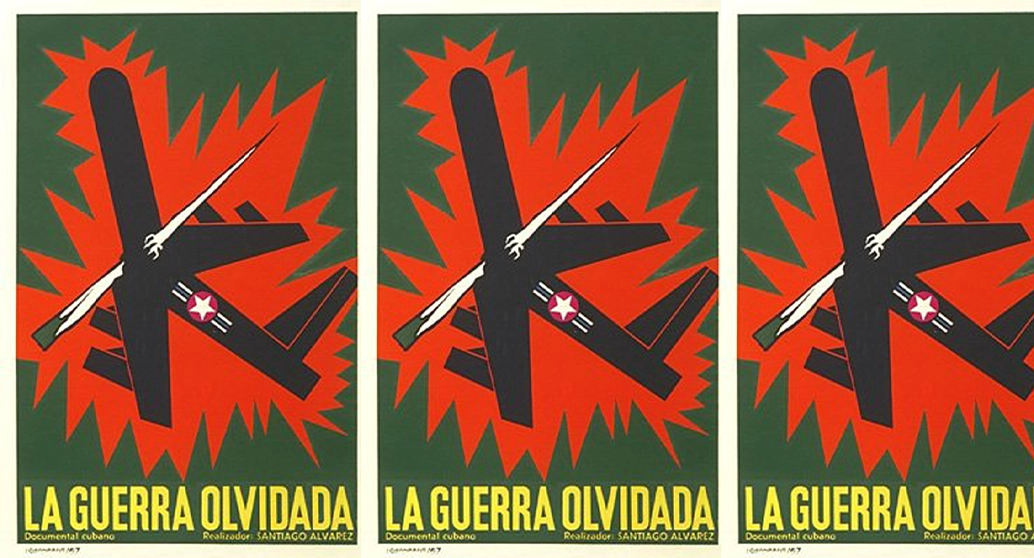
Design as a Record of Ideological Conflict
Today, Cuban revolutionary posters and magazines are recognized as more than outstanding examples of graphic design. They are historical documents that record the ideological conflicts of the twentieth century.
Visual language in these posters and magazines mobilized people, built collective identity, and communicated political ideas across borders. Posters often combined bold typography with imagery, using mass printing techniques to reach a wide audience. Above all, graphic design is never neutral. In moments of social change, it plays an active role in history.