Home
Home Articles
 Twos Talks
 Videos
First Things First: The First Poster in History
A short essay on the origins of posters, print culture, and the emergence of printed images for public display. What was the first poster ever designed?
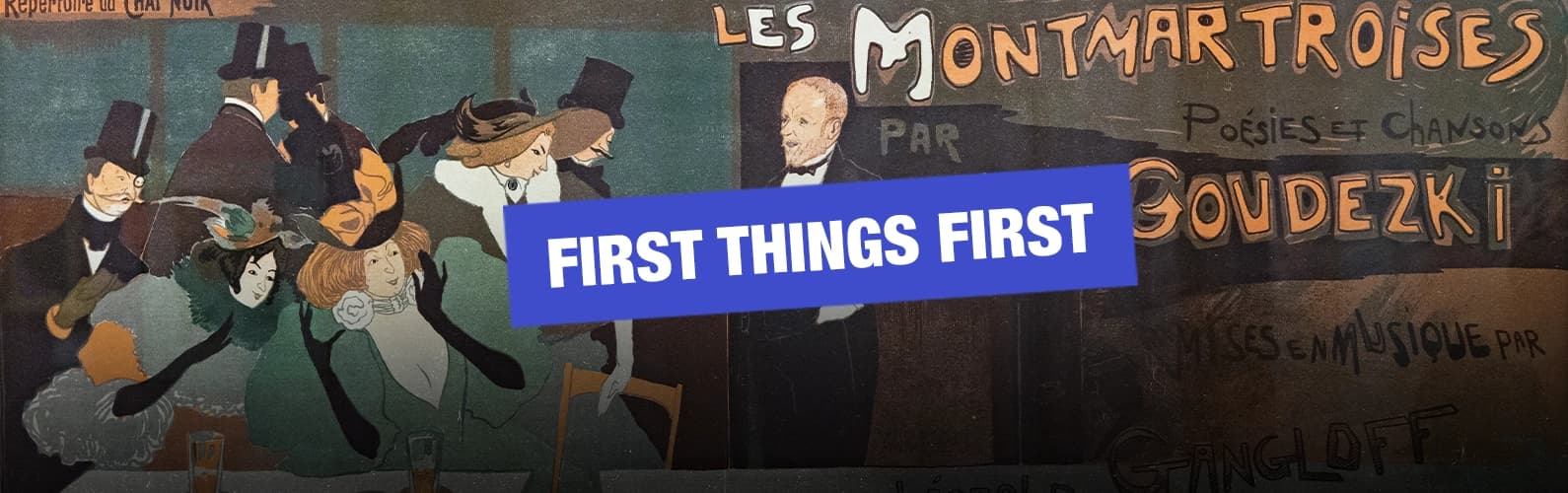
Walk through any city and you will see them everywhere: on walls, windows, subway corridors, construction fences. Posters announce concerts, sell products, promote political ideas, and shape the visual atmosphere of urban life.
But this familiar medium has a surprisingly complex origin. Long before modern graphic design emerged, public walls were already carrying messages meant to reach strangers.
So where did the poster actually begin?
Where Does a Poster Begin?
Illustration has deep prehistoric roots. But posters belong to a different chapter, one that requires paper, public space, reproducibility, and a message directed at strangers.
So, the question becomes:
When did humans first place an image or text in a public space with the intention of influencing others?
If we define a poster as a printed sheet designed for public display, meant to inform or persuade, the hunt for the first one becomes surprisingly tangled. Unlike illustration, whose origins dissolve into Paleolithic walls, the poster’s history is tied to far more concrete technologies: woodblock printing, movable type, mass production of paper, urban literacy.
Yet even with clearer evidence, the answer is still plural, not singular.
Before Posters Had a Name
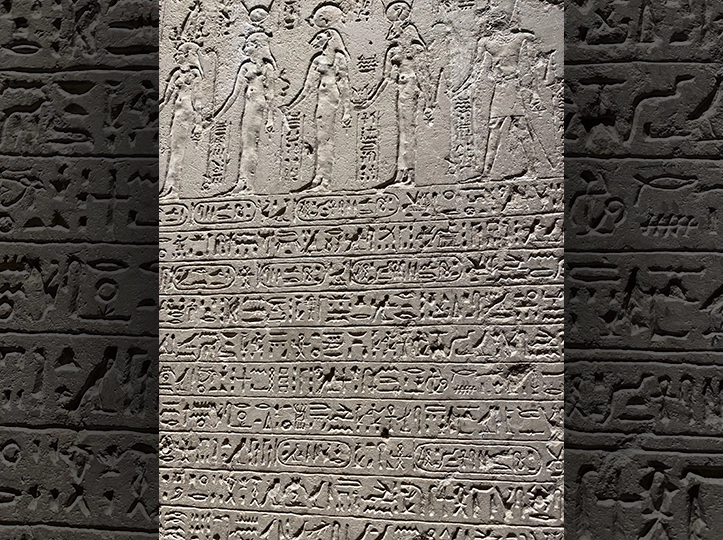
Centuries before the word “poster” existed, public notices already filled the streets of ancient cities. Romans plastered walls with alba, whitewashed boards covered with handwritten announcements. Egyptians carved decrees into stone stelae placed in communal spaces. Medieval towns posted early broadsides, handwritten sheets announcing prices, punishments, and proclamations.
These were public messages. But were they posters?
Something is missing: reproducible printing, and the visual intention that defines the poster as a designed object, not a simple notice.
Gutenberg’s Indulgence (1454–55): A Leading Candidate
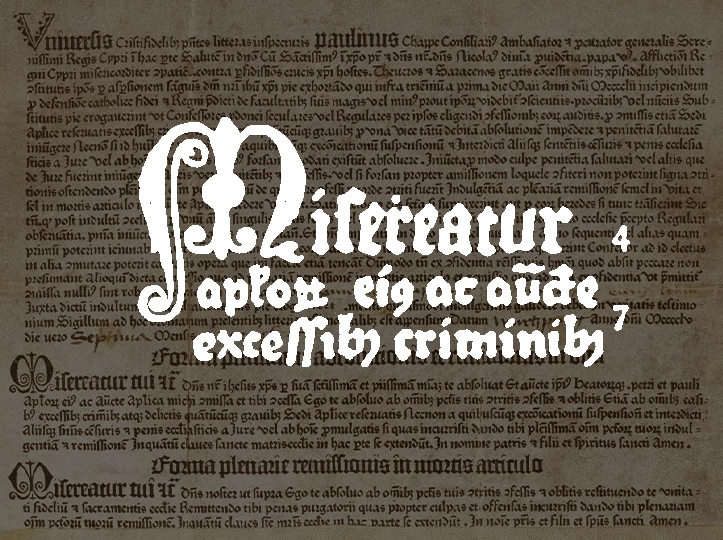
One of the earliest printed sheets intended for public display is the so-called Gutenberg Indulgence, dated around 1454–55, almost simultaneous with the printing of the Gutenberg Bible.
These small documents were printed in Mainz. They granted religious remission in exchange for payment and were produced in large quantities using movable type.
Some historians consider them the first poster-like printed items because:
• they were mass produced
• they communicated a clear persuasive message
• they were meant to be publicly displayed or filled out and circulated
• they set a precedent for printed notices disseminated across regions
Yet they lack imagery, color, and the visual intentionality we associate with posters today.
The Broadside Era: Print Enters the Streets
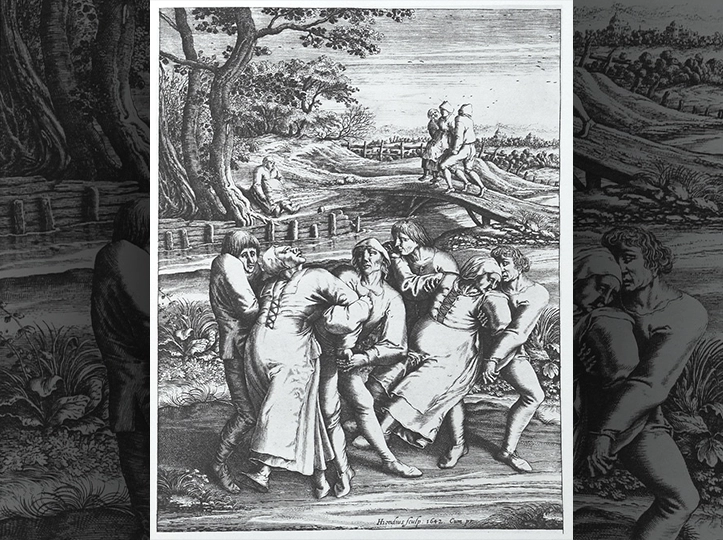
With the spread of woodblock printing in the 1400s and 1500s, Europe saw the rise of the broadside: large single-sheet prints combining woodcut imagery and typography.
Examples include:
• broadsides documenting events such as the 1518 Strasbourg dancing plague
• broadsides depicting executions and miracle stories, illustrated with bold woodcuts
• public announcements, edicts, and advertisements distributed in German, Dutch, and Italian cities
These sheets were designed to be posted on doors, taverns, and marketplaces, reaching increasingly literate urban audiences.
For many scholars, these illustrated broadsides represent the first true posters; visually intentional, publicly displayed, and printed in multiples. But posters as we know them, large, colorful, persuasive, and unmistakably urban, still were not here yet.
The Birth of the Modern Poster (1860s): Jules Chéret’s Revolution
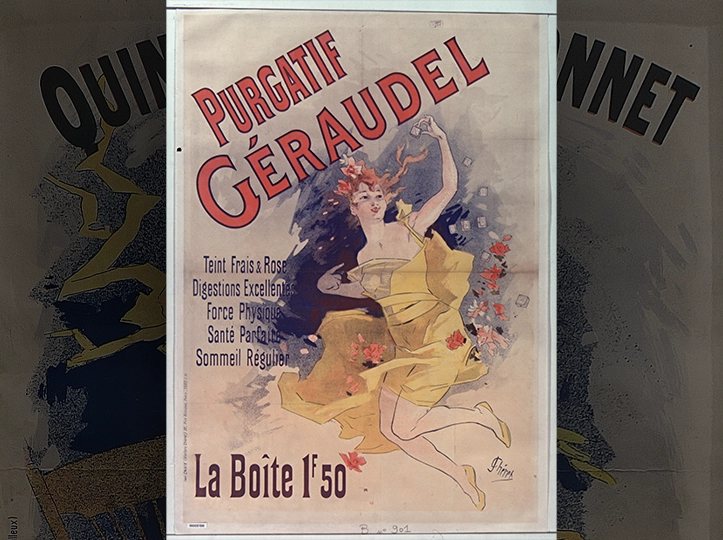
If we shift our definition toward the poster as a graphic medium, the story jumps forward four centuries. In the 1860s, Parisian printer and artist Jules Chéret pioneered a new visual language:
• large color lithographs
• bold compositions designed for distance
• expressive lettering integrated with imagery
• imagery made to sell entertainment, products, and events
• sheets meant not merely to inform, but to attract, seduce, and perform
Chéret’s posters, including his designs for Orphée aux Enfers and other Parisian entertainments, are widely recognized as the first modern posters, marking the moment when design, typography, color, and illustration merged into a single persuasive public medium.
From here, the poster became a cultural force. Toulouse-Lautrec, Mucha, Steinlen, the Beggarstaff Brothers, and later the entire twentieth century poster culture, from Swiss modernism to propaganda campaigns, all trace their lineage to this shift.
What Counts as the First Poster?
The answer depends entirely on definition.
Each “first” belongs to a different threshold:
The First Public Notice (c. 2500 BCE–1st century CE): Ancient stelae, Roman alba, pre-print prototypes
The First Printed Public Message (c. 1454): Gutenberg’s Indulgence
The First Illustrated Public Print (16th century): European broadsides
The First Modern Graphic Poster (1860s): Jules Chéret, Paris
These thresholds reveal that the poster did not appear suddenly. It evolved technically, socially, and visually.
Why Posters Became Possible
Posters required more than printing alone.
They needed:
• crowded cities with walls and circulation
• mass literacy to decode messages
• consumer culture to generate demand
• color lithography to create visual impact
• public streets as an open channel of communication
• anonymity, because posters speak to strangers, not communities
The poster exists at the intersection of technology, society, and the desire to influence the public. When these conditions finally aligned in nineteenth century cities, the poster evolved from a printed notice into a powerful visual medium aimed at strangers in the street.
When Persuasion Became Visual
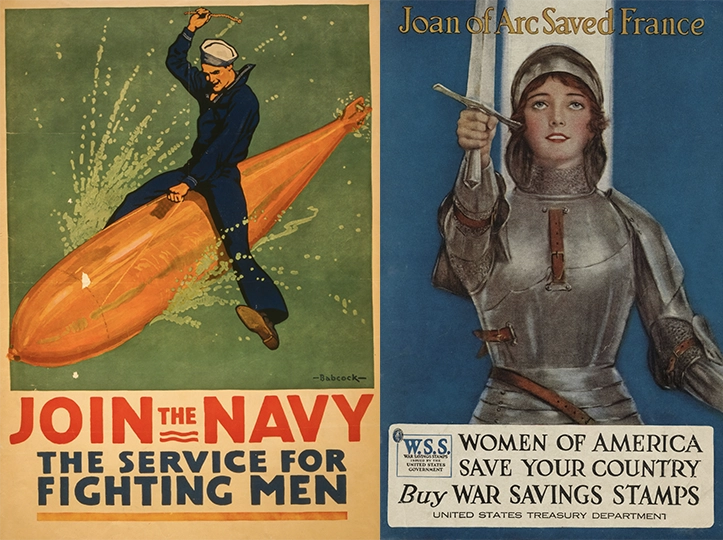
Posters are the youngest among the major forms of visual communication, yet they mark an important turning point in how messages reached the public.
Illustration grew from the desire to represent.
Maps developed from the need to navigate.
Writing formed from the need to record.
Posters answered a different impulse: the need to persuade at scale.
Many design historians and institutions such as UNESCO describe nineteenth century posters as one of the first fully public forms of mass visual media, connecting the private world of print with the shared space of the street.
Whether in Chéret’s lithographs or in today’s digital billboards, the principle remains the same: placing visual messages in public space, designed to capture attention and persuade.