Home
Home Articles
 Twos Talks
 Videos
First Things First: The First Book Cover in History
A short essay on the origins of the first designed book cover and the transition from functional bindings to visual statements.

Before readers encountered a title page, they encountered a cover. Today, book covers introduce stories, attract attention, and communicate identity through typography, imagery, and composition. For most of history, books had no covers in the modern sense. Bindings protected the pages inside, but they were rarely designed to represent the work itself.
The first widely recognized examples of modern book cover design appeared during the nineteenth century, when advances in industrial bookbinding, cloth case bindings, and decorative stamping changed the outside of the book into a graphic surface. Before then, bindings were usually functional, handcrafted, or supplied by owners rather than publishers.
But the story of the first book cover is more complicated than a single object or a single date. Medieval manuscripts, luxury bindings, and early printed books all contributed pieces of the puzzle. This essay investigates how books gradually acquired a visual identity long before readers turned the first page.
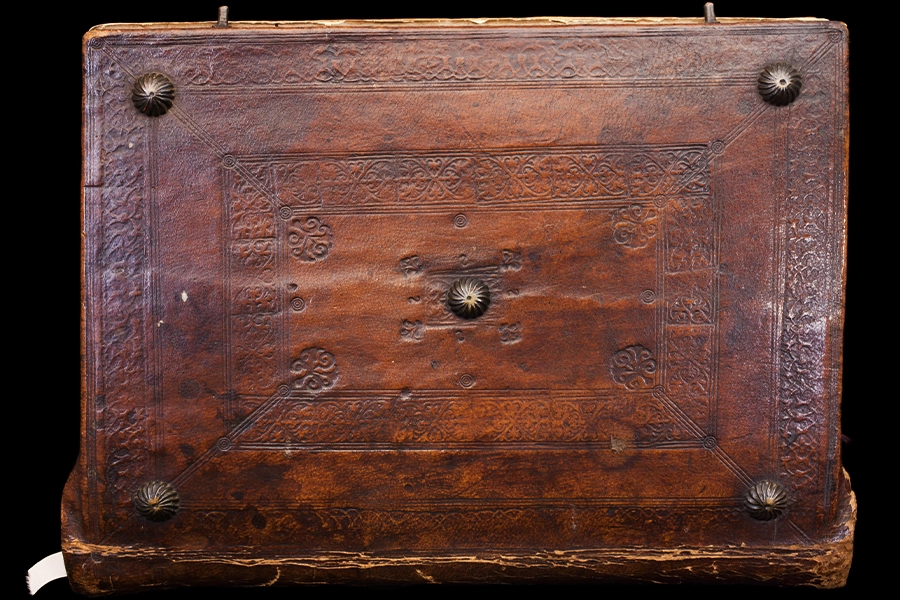
What Do We Mean by a "Book Cover"?
Today, a book cover usually refers to the designed exterior of a book, a surface where typography, imagery, and composition combine to introduce the work to its audience. It is part of the book’s identity and communicates something about the text before the reader opens it.
From a historical perspective, the term “cover” refers to several different stages in the evolution of book design. Early bindings served as physical protection for books, and modern covers eventually developed into visual elements connected to the identity of a specific work.
This distinction is essential in understanding the origins of the first book cover. The term can refer to any exterior layer protecting a book, a practice that existed centuries earlier. It can also describe a designed surface created to communicate the identity of a specific work, a concept that took shape much later with modern publishing.
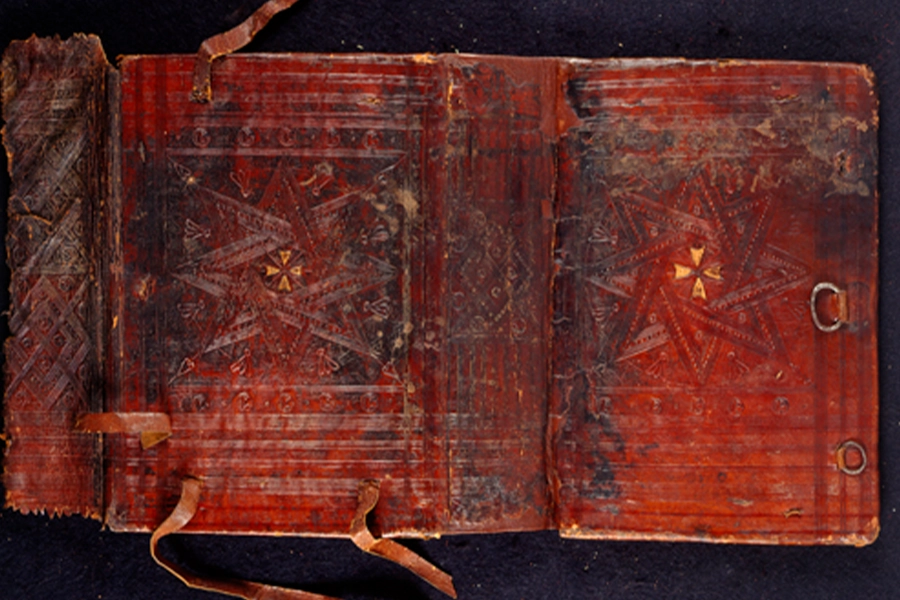
Before the Book Cover
For most of the history of books, bindings existed primarily to preserve fragile pages. Manuscripts and early printed books were protected with materials such as wood, leather, and fabric, often crafted by skilled artisans.
In medieval Europe, valuable books could feature metal fittings, clasps, embossing, and precious materials. These details demonstrated craftsmanship, ownership, and status. The outside of the book followed its own visual language, separate from the ideas and stories held within its pages.
A manuscript could receive a new binding when it changed ownership, meaning the exterior was not always connected to the circumstances of the text’s original creation. The book had a cover, but the cover was not yet a message.
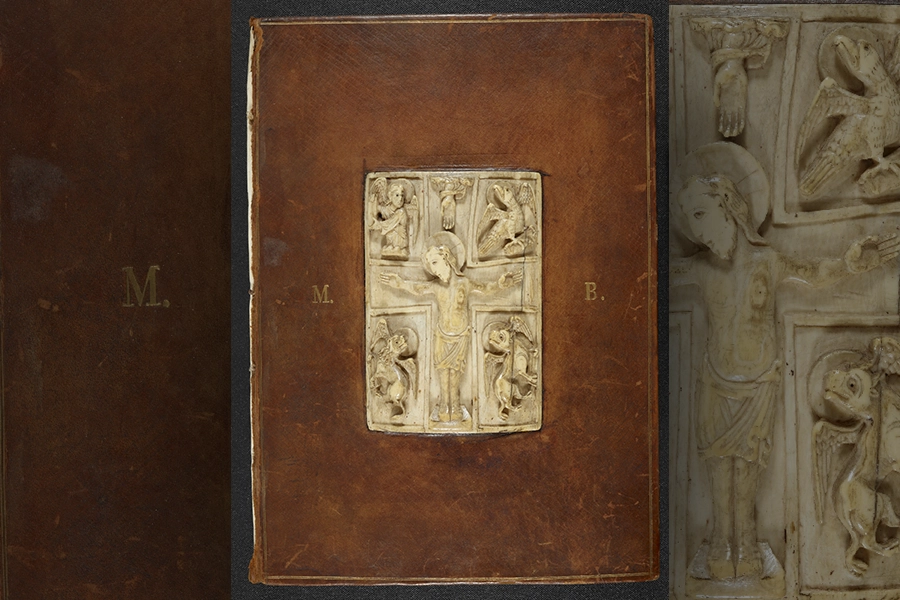
The Age of Decorative Bindings
The appearance of books began to change as bindings became more than simple protection. From the medieval period onward, elaborate bindings became especially prominent in religious manuscripts, royal collections, and important texts. Byzantine treasure bindings, Islamic manuscript covers, and European decorated bindings featured intricate patterns, ornamentation, and valuable materials.
These works introduced a new visual importance to the exterior of the book. A decorated binding could communicate wealth, devotion, authority, or the status of its owner. But the design of the cover still focused primarily on the object itself.
The book had become a visual object, but it was still far from having a visual message.
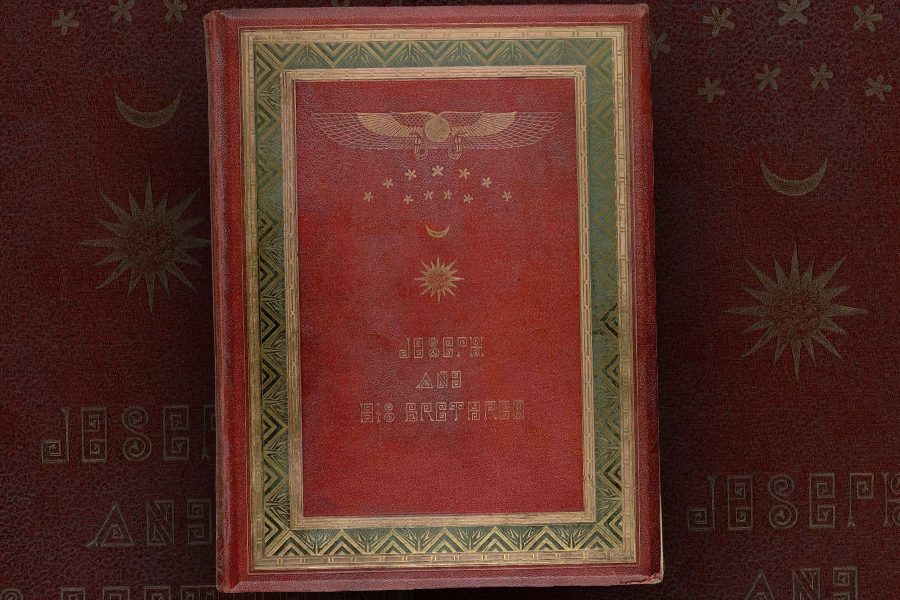
Publishers Discover the Cover
The relationship between books and their covers began to change in the nineteenth century, especially during its middle decades, as industrial printing and publishing expanded the production and circulation of books. Advances in manufacturing allowed publishers to produce larger quantities of books and experiment with new approaches to their exterior design.
For centuries, bindings had frequently been created by craftsmen or added according to the preferences of owners. With the rise of modern publishing, the outside of the book increasingly became part of the publisher’s responsibility. Cloth bindings, decorative stamping, and gold lettering introduced new possibilities for creating recognizable and attractive editions.
As books entered bookstores and competed for readers’ attention, their covers began to serve a different purpose. The exterior gained a greater role in the publishing process, giving publishers a way to communicate the character of a book and attract potential readers. The book was beginning to speak to its audience.
The Printed Dust Jacket
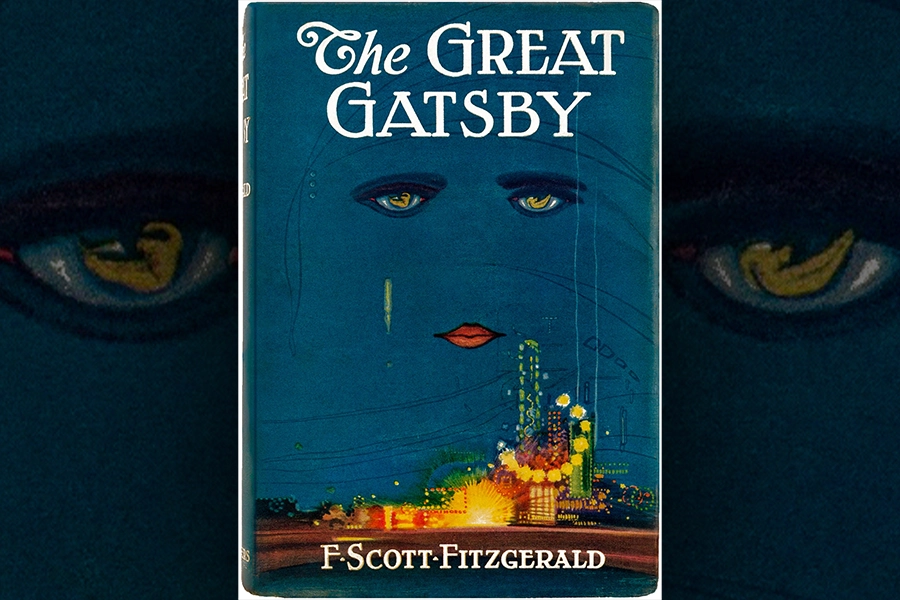
The dust jacket was initially created to protect book bindings, but it gradually took on a new role in the late nineteenth and early twentieth centuries. Publishers discovered that this removable paper cover offered a new opportunity for illustration, typography, and promotional information.
Dust jackets introduced a flexible printed surface that publishers could adapt for different editions. They created a new visual space for presenting a book’s subject, genre, and atmosphere, with the permanent binding remaining relatively simple.
By the early twentieth century, the dust jacket had developed into a space where graphic design and marketing came together, as visual presentation gained greater importance in publishing. The book’s exterior had become part of its public identity.
So, What Was the First Book Cover?
The question seems simple, but the answer depends on what we mean by “book cover.” If we define a cover as any exterior layer created to protect a book, its history reaches back to the earliest bound manuscripts and printed books. These bindings preserved pages and sometimes displayed remarkable craftsmanship, but they did not function as visual introductions to the works they contained.
If we consider the book cover as a designed surface created to communicate the identity of a specific work, the story begins much later. Nineteenth-century publishers introduced new possibilities through cloth bindings, decorative printing, and eventually dust jackets that connected the exterior of a book with its content and audience.
From that perspective, no single object can be identified as the first modern book cover. The modern book cover developed gradually through centuries of experimentation, as protection, decoration, publishing, and graphic communication came together
Short Answers (FAQ)
What was the first book cover in history?
No single book cover is universally recognized as the first in history. Early bindings protected books for centuries, while the modern designed book cover developed gradually during the nineteenth and early twentieth centuries.
When did book covers become designed objects?
Book covers became designed objects during the nineteenth century, when publishers began using cloth bindings, decorative printing, and later dust jackets to communicate a book’s identity.
Who designed the first modern book cover?
No single designer is credited with creating the first modern book cover. The form developed through gradual changes in publishing, printing, and graphic design.